BAA Training Alumnus Bruno: From Dream to B737 First Officer | BAA Training
BAA Training

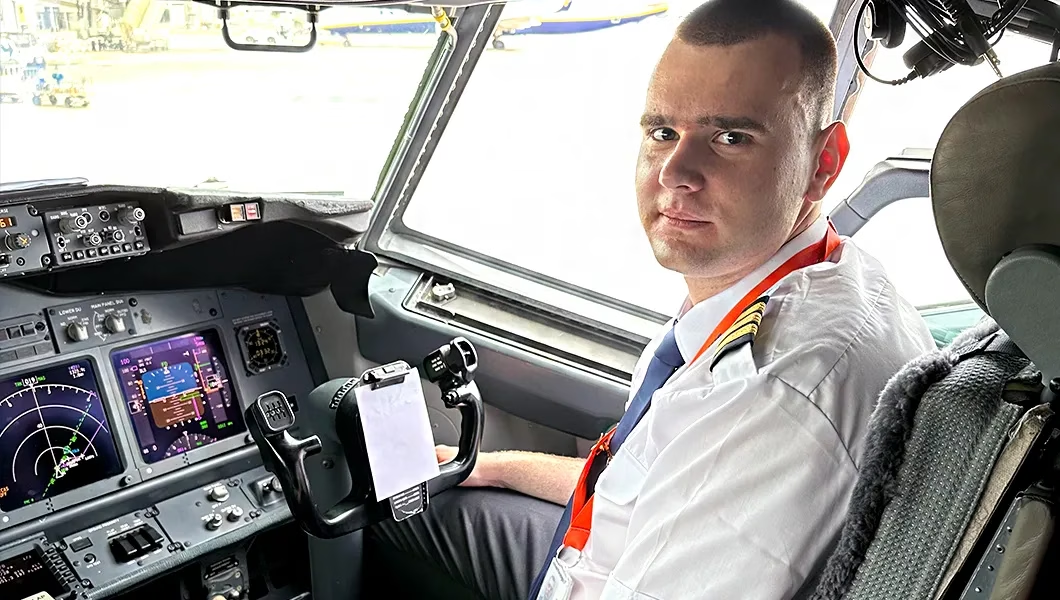
BAA Training Alumnus & First Officer Bruno: “Training Prepared Me Well for Real-World Flying”

Now an experienced First Officer at one of the fastest growing air carriers in Europe, Bruno Kotlovski was once a young kid looking up at the sky, at the commercial liners whizzing over his head.

Content

In This Article

  • Bruno Kotlovski dreamed of becoming a pilot since childhood, sparked by plane-spotting at his grandparents' house and his first flight at age 10.

  • He completed BAA Training's ATPL Integrated program in about 2 years, calling the ground school phase the most challenging part of his journey.

  • After finishing his Boeing 737 NG Type Rating, he landed a First Officer position at a fast-growing European airline.

He turned that dream into reality years later – he joined our ATPL Integrated initial pilot training program and followed that with the Boeing 737 NG Type Rating course, currently flying line as a B737 First Officer.

Obsession with Aviation – from a Young Age

Bruno’s eyes on the sky were set way before he had to choose his career path. The roar of the powerful engines, the parade of colorful aircraft tails – and a cheeky peak at the cockpit – ignited the wonder of what it would be like to sit behind the yoke of one of these metal birds.

“During my childhood, I spent a lot of time at my grandparents’ garden house, which was located close to the airport. I always liked to watch and spot low-flying airplanes,” Bruno recalls.

“When I was 10 years old, I had my very first flight. At the airport, it was interesting to see how all the ground vehicles were moving around, loading bags, refueling, and preparing the aircraft for its journey.

“And the flight itself was amazing. Experiencing takeoff, landing, and the feeling of flight was very special. I was also able to sneak a look at the flight deck with all the buttons, switches, lights, and screens – it was so fascinating for me.”

These moments, and many others after that, were the ones that helped Bruno’s interest in aviation grow.

“I was watching movies and documentaries about aviation, doing research, collecting plane models, doing things like that. And this way, my obsession with aviation was becoming bigger, and bigger, so by teenage years, I already knew that, in the future, I wanted to fly planes and be a pilot.”

Getting Into Pilot Training

Once he set his mind to it, Bruno dove into research, scouting the potential pilot training programs available. Eventually, he landed on BAA Training’s ATPL Integrated program to start his pilot training journey.

“In my opinion, the ATPL Integrated program is the fastest way of getting a Commercial Pilot License and starting to fly commercially,” he explains his choice.

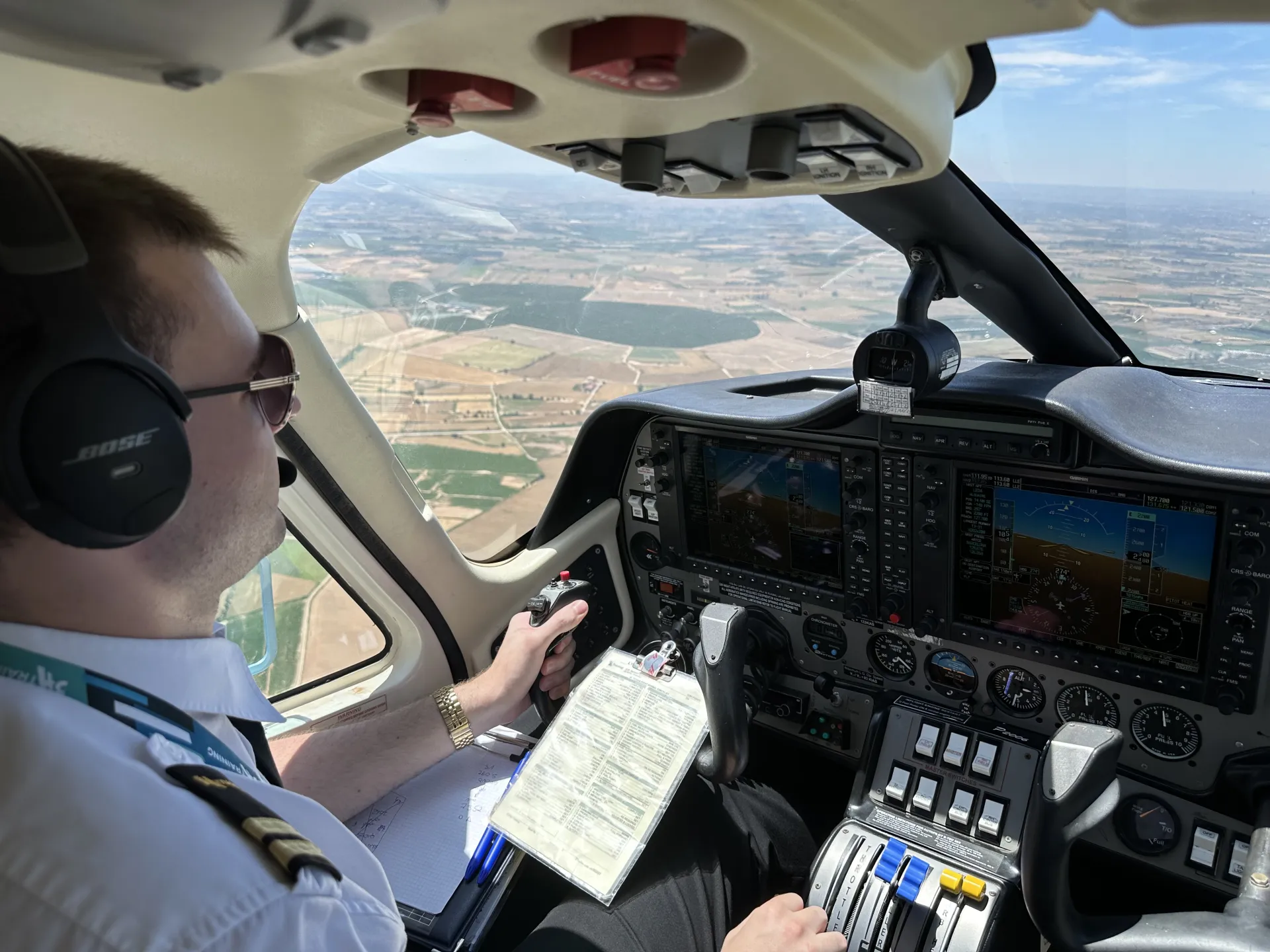
“It took me about 2 years to finish flight school and get my CPL. It was a very intense course, especially during the theoretical part – one subject was followed by another, and at the end of each subject, there was an exam.” Bruno remembers his ground school training months. “There was also a lot of new information to be absorbed in a small amount of time. It was a tough period, the most challenging one for sure.

“There were days where I didn’t know how to approach it and deal with it. Later on, I developed my technique, which helped me successfully complete ground school and pass all of the exams. I remember, when I passed my last theoretical knowledge exam, I was super happy.”
© Bruno Kotlovski's personal archive

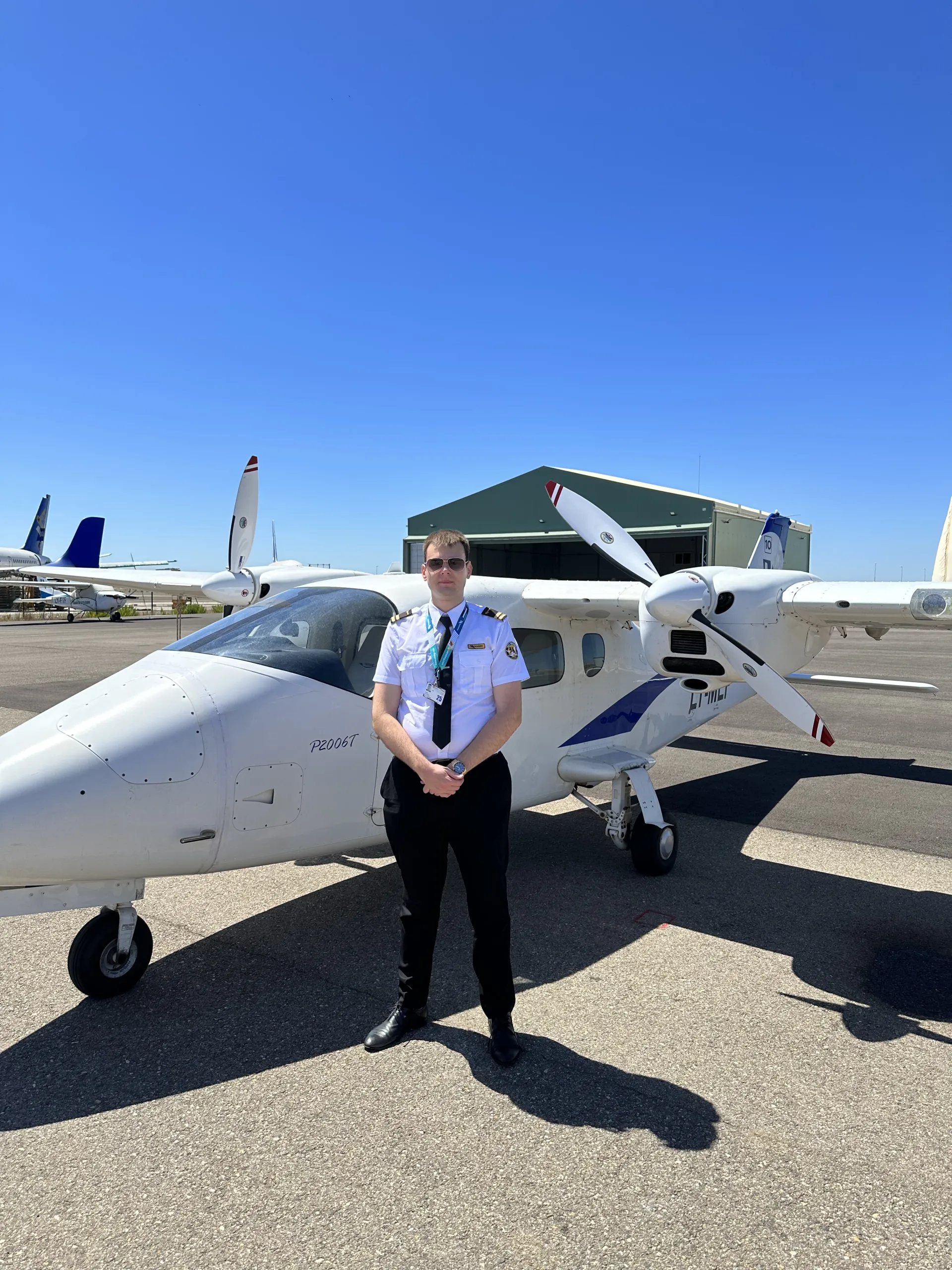
The flight school phase of the ATPL Integrated training introduced new challenges Bruno’s way. But he was able to absorb the lessons learned and develop new qualities as a future First Officer.

“During my flight training period, there were more intense and less intense periods, as sometimes we couldn’t fly because of weather or other things that were out of our control. But, despite that, I not only learned subjects about aviation but also became more flexible and resilient, which are good qualities to have, if you work in aviation.”

The ATPL Integrated program, he notes, is a very good choice for people with no previous experience in aviation. It guides them from “zero to hero” and, in his opinion, has prepared him well for the real-world line flying.
© Bruno Kotlovski's personal archive
“During my flight training period, there were more intense and less intense periods, as sometimes we couldn’t fly because of weather or other things that were out of our control. But, despite that, I not only learned subjects about aviation but also became more flexible and resilient, which are good qualities to have, if you work in aviation.”

From Type Rating to a First Officer Seat

Knowing that the First Officer’s seat was calling him, Bruno pursued his Type Rating next – the next natural step in the pilot’s journey to be able to fly the commercial liners later on. He decided to go with Boeing 737 NG Type Rating at BAA Training.

“The transition from a light aircraft like Cessna to the B737 was actually a smooth one. It was interesting to learn about the airplane systems and procedures. In my opinion, it was the most exciting part as finally I was preparing to fly a jet, which was always the end goal.”

After completing the training, Bruno was able to secure a First Officer position at a European airline. Now, he flies the line – something he was only dreaming about as a teenager.
Subscribe to BAA Training

Subscribe to
BAA Training

Be the first to get updates and new offers.


Usual Day as Airline First Officer

His usual day as a B737 pilot begins at home.

“I prepare my uniform, check the briefing package for the flight, but, most importantly, I have proper rest before my duty. I leave home for the airport about 2 hours before the scheduled flight.”

At the airport, Bruno prepares for the briefing with the Captain – prints papers and prepares documents for the flight.

“I meet my Captain, and we make a briefing for an upcoming flight. We check the weather, NOTAMs, MELs and other information. Based on this, we decide on the fuel, and after that, we meet our cabin crew.”

Another briefing – now with the cabin crew – follows. After all of the preparation on the ground is done the, the crew heads for the aircraft.

© Bruno Kotlovski's personal archive

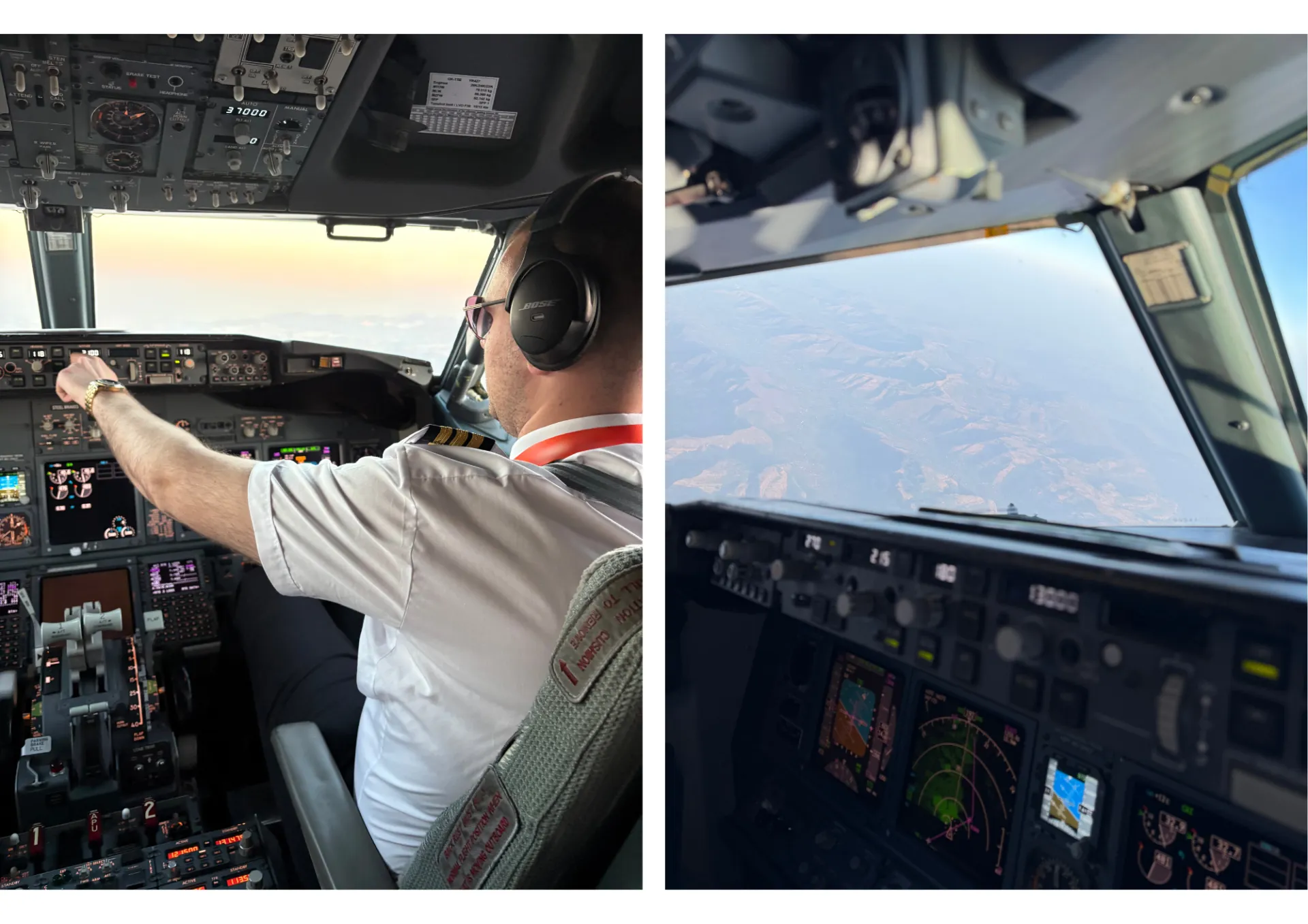
“Every crew member on the plane has their own designated position and responsibilities associated with this position. So, each member starts preparation of the aircraft according to the procedures. Usually, I prepare the flight deck, enter the route into the FMC, check ATIS, and so on. Later, together with the Captain, we calculate take-off performance, discuss any threats for departure, and make a departure briefing. After the cabin crew complete the boarding, we lock the doors, start he engines and off we go.”

The arrival is pretty straightforward as well, Bruno shares.

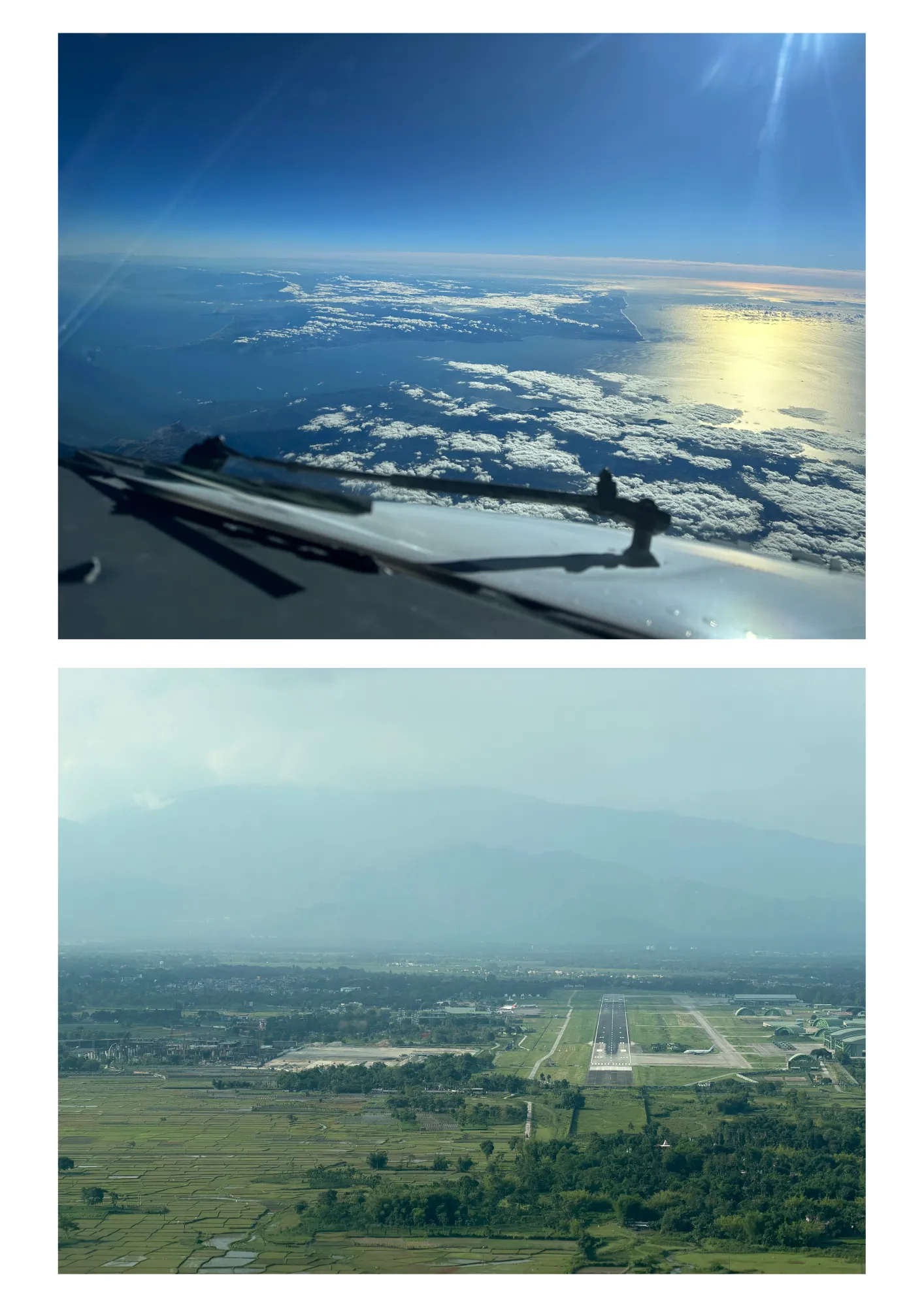
“We reach our destination, disembark the passengers, and prepare for a return flight. Most of the time, we fly turnaround flights, which means I’m coming back to the base, but it may happen that we stay for a night in another city. After the flight, I go back home. That’s how a typical day of an airline pilot looks like.”

Bruno highlights a couple of key skills that his training prepared well. The pilot competencies, which are the foundation of a great pilot, come into play every day for a First Officer flying commercial flights.

“Situational awareness, time management, and decision-making – in my opinion, these are very important skills in day-to-day operations, which I developed during my training.”

Advice for Future Pilots

Looking at his pilot training journey, Bruno puts preparation as an overall base for acing your pilot training.

“Preparation is key – no matter whether it is a simulator session or a theoretical knowledge exam, always take it seriously and prepare yourself as much as possible,” he stresses. “Otherwise, it will just be a waste of time.

“Failing an exam or a session is not pleasant feeling, too. Imagine coming to a simulator session not knowing the basics, like standard operating procedures, or memory items. Learning those things in the simulator, in my opinion, is too late. Especially if it’s possible to learn and prepare in advance, so that during the sim session you can focus on flying and developing skills. Then, the lesson will be very beneficial.”

What Future Holds

Taking a step back, Bruno shares that, he’s really happy with the way his pilot career is going right now.

“To be honest, at the moment, I am really happy with where I am now – the routes I fly, the type of operations I fly, and the aircraft I fly. I like to fly the B737, bringing people mainly to sunny destinations for their holidays, as I feel that flying between major hubs is not really for me. Nevertheless, there is one type of aircraft which I would be eager to fly. And that is the Boeing 777.”

© Bruno Kotlovski's personal archive

Want more inspiration? Dive into other student stories like Aru’s perspective as a young woman in training, Tobias’ determination to become a commercial pilot, or Vihaan’s, coming from a non-aviation family background, and see how our students from around the world are turning their dreams into reality.

Author: Karolina Zilenaite

With the background in journalistic writing, Karolina has years of content creation experience under her belt. Tackling all manner of topics across the aviation industry, she aims to bring interesting perspective and spark curiosity.

Latest Articles