Pilot Training Capacity Becomes Critical as GCC Aviation Expands
GCC aviation sector is entering a new phase of expansion as airlines grow their fleets and strengthen regional connectivity.
Much of this development is driven by narrowbody aircraft orders, which are expected to dramatically increase the demand for qualified pilots across the region.
According to the Boeing Pilot and Technician Outlook, the Middle East will require more than 23,000 new pilots over the next 10 years as airlines expand their fleets and networks. This is nearly 150% of the number of pilots operating in the region today. A significant share of this demand is expected to come from Saudi Arabia as the country accelerates the development of its aviation sector.
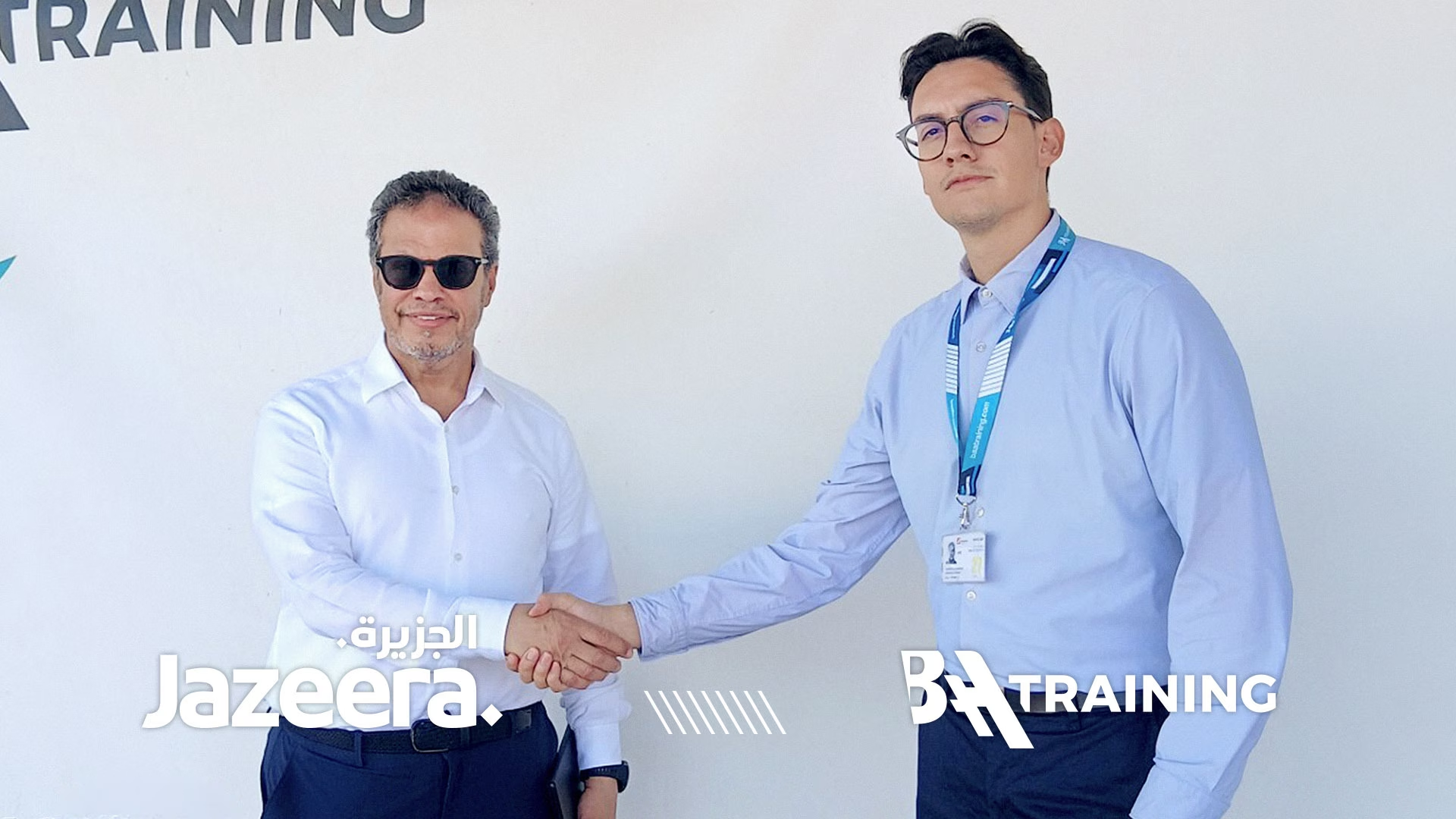
“The GCC aviation sector is expanding rapidly, and with new aircraft entering fleets every year, the need for qualified pilots is growing just as quickly,” said Martynas Mazeika, Chief Growth Officer at BAA Training. “To keep pace with this growth, airlines need scalable training solutions. Partnering with global training providers enables airlines to access the necessary simulator capacity, training expertise, and flexible programs required to support long-term operational expansion.”
Martynas Mazeika, Chief Growth Officer at BAA Training
Based on Boeing’s projection and typical flight training requirements of around 200 hours per pilot, training more than 23,000 new pilots in the GCC would require approximately 5 million flight training hours.
For comparison, a typical flight academy operating around 10 training aircraft may generate approximately 12,000–15,000 flight training hours annually, illustrating how significant capacity expansion is required to meet global pilot demand.
Subscribe to BAA Training
Simulator availability presents a similar challenge. In addition to initial pilot training, further preparation will require around half a million training hours on full flight simulators just for Type Rating training. Full flight simulators typically provide around 5,000–6,000 training hours per year, meaning large-scale pilot training demand requires substantial simulator infrastructure and global training networks.
According to Mazeika, the rapid expansion of airline fleets means training infrastructure must scale at a similar pace.
“The GCC is not the only region expanding fleets at scale,” Mazeika said. “Airlines in North America, India, and Southeast Asia are also increasing aircraft orders, which means demand for pilot training is rising everywhere. Access to global training infrastructure is becoming an important factor in how airlines manage fleet growth.”
As GCC carriers continue expanding their narrowbody fleets, demand for Type Rating and recurrent training is expected to grow significantly. These programs allow pilots to transition to new aircraft types and maintain operational readiness as airline networks expand.
BAA Training supports airlines through a global pilot training ecosystem that includes Type Rating, recurrent training, and simulator-based programs, delivered through its international network of training centers and partners.
BAA Training also provides MPL cadet programs that help airlines train commercial pilots from zero in 18 months. They are a strong opportunity for GCC carriers to meet the growing demands for new pilots. Qatar Airways entered into a partnership with BAA Training in April 2025, with a plan to train up to 150 cadets annually; the cadet training is successfully progressing for over a year now.
As aviation growth accelerates across the GCC and Middle East, scalable training capacity and international partnerships will play a critical role in ensuring pilot supply keeps pace with fleet expansion.
Author: Karolina Zilenaite
With the background in journalistic writing, Karolina has years of content creation experience under her belt. Tackling all manner of topics across the aviation industry, she aims to bring interesting perspective and spark curiosity.
This website uses cookies. You can express your preference for cookies by selecting one of the options below. If you select the "Allow" option, you agree to the use of all types of cookies, including third party and marketing cookies. You can change your cookie settings or withdraw your consent at any time. Your consent is not required for the recording of the strictly necessary cookies. For more information, please read our
Cookie Policy.
Cookies settings
We use cookies and other similar technologies to help provide our Services, to advertise to you and to analyse how you use our Services and whether advertisements are being viewed. We also allow third parties to use tracking technologies for similar purposes. If you are using our Services via a browser you can restrict, block or remove cookies through your web browser settings.