The next steps in your pilot career journey as a CPL holder, and in the aviation industry, are crucial, so the decisions you make have to be well-informed.
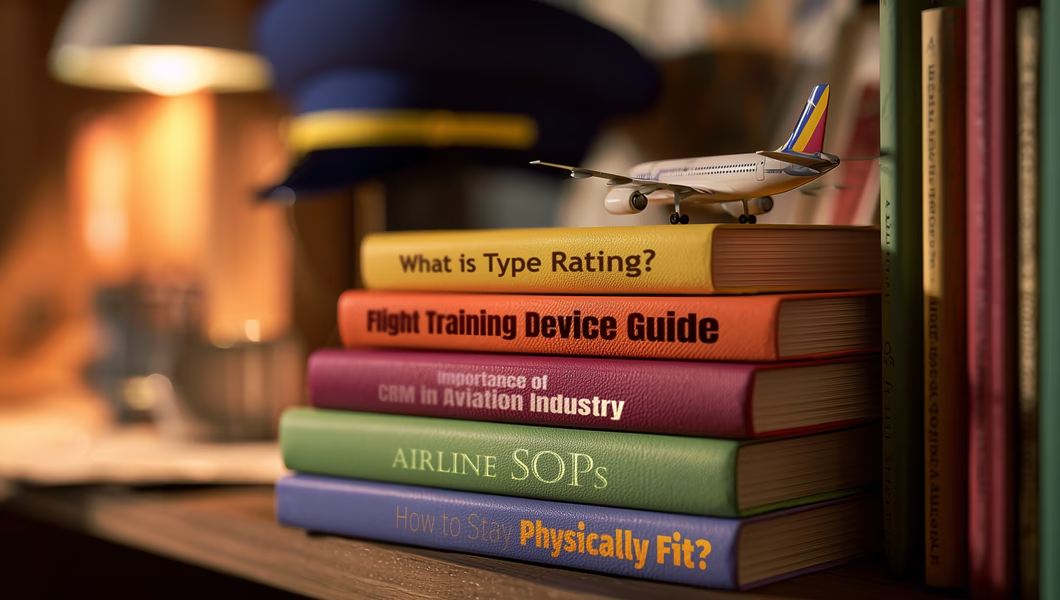
We’ve compiled a comprehensive article about all things CPL holders should know – from understanding what a Type Rating is to tips and tricks on how to stay healthy as a pilot. We’re constantly updating the information, so keep coming back to this article to find the latest CPL holder-focused articles from us.
Let’s get started!
Path After Commercial Pilot Licence
While the Commercial Pilot Licence (or “frozen” ATPL – Airline Transport Pilot License) suggests that you can do commercial flights, it’s true to a certain extent. For most, becoming a commercialairline pilot is the end goal – we’re talking sitting at the controls of Airbus A320s and Boeing 737s.
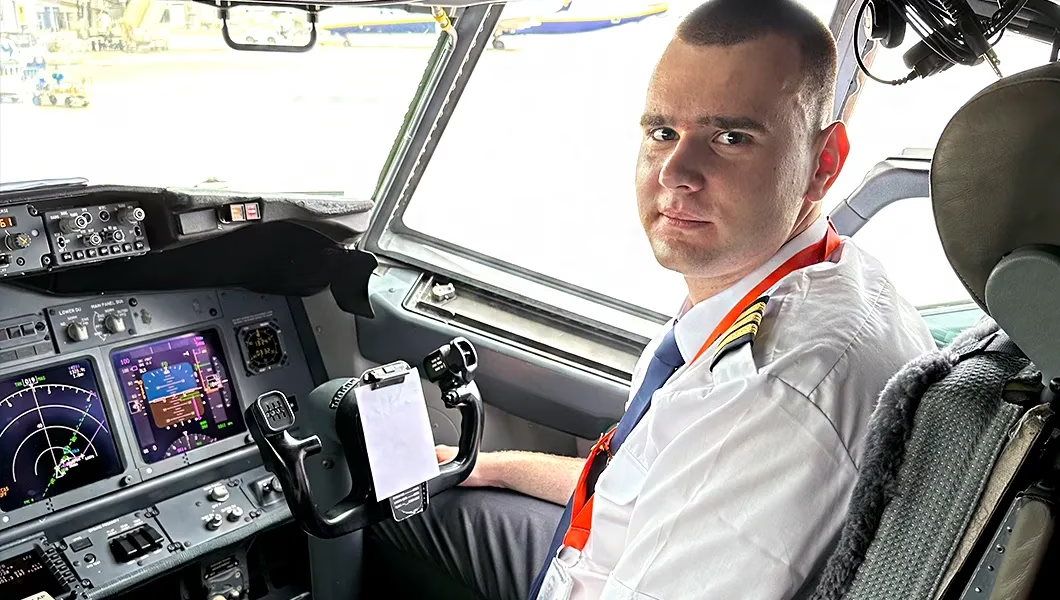
If that’s something you plan to do then do check out our interview with a First Officer and his day in a life of an airline pilot. Apart from the day-to-day responsibilities and schedule there are two more factors to consider: hours commercial pilots fly (things like rest periods, flight time, roster patterns, and more), and the salary they earn. All of this will give you a pretty good picture of what your future career can look like.
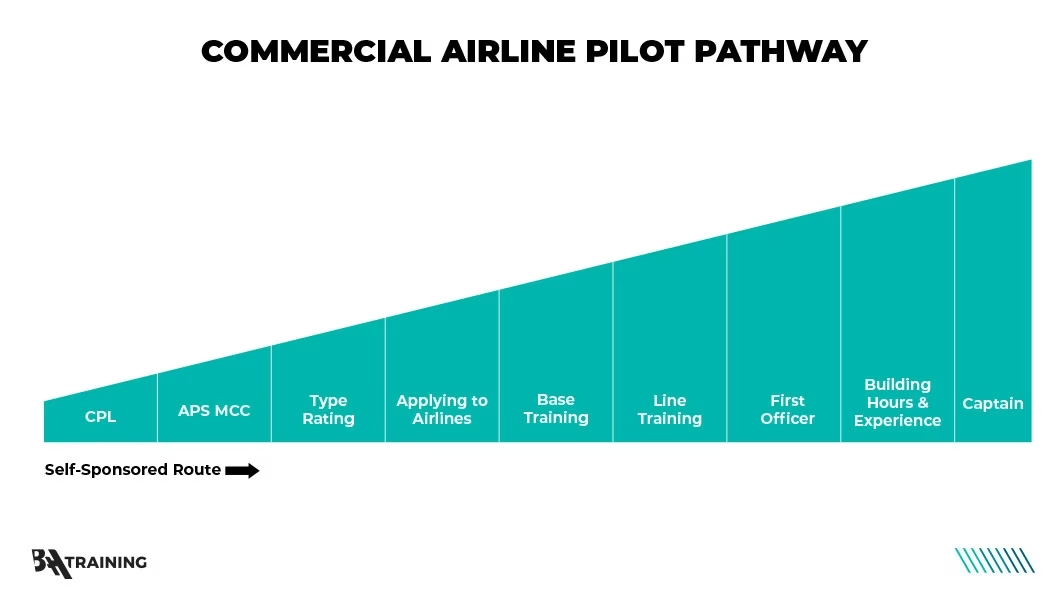
Naturally, you start off as a First Officer, working your way up to captaincy; these are the main pilot ranks to know if you’re joining an airline. And in order to achieve this, the next logical step is to get type-rated. But what does it mean exactly, and is there anything else that a future commercial pilot might need?
Let’s start at the beginning.
Type Rating for Work at Airlines
Type Rating is a non-negotiable when it comes to continuing the path of a commercial pilot. Up to this point, you’ve done your initial pilot training, and you’re able to fly aircraft that are considered general aviation (GA) or light aircraft, like a Cessna 172S or Tecnam P2006T. You’re a CPL holder. This means that you would be able to fly your friends to Annecy, France, for a ski trip, or offer sightseeing flights – if your skills, experience, and confidence allow that – and charge for it.
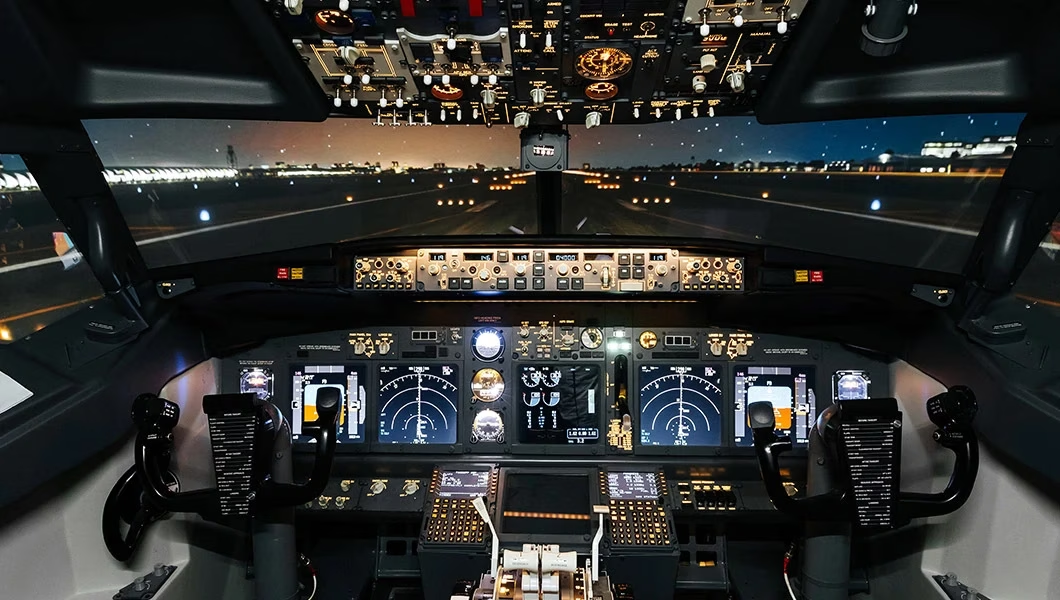
But, if you want to sit at the controls of the commercial aviation staples like Airbuses and Boeings, then it’s not nearly enough. It’s simply not possible to become a First Officer at an airline without a Type Rating. You need to master Standard Operating Procedures (SOPs) – including emergency procedures – and other airline aviation-focused trainings in full flight simulator sessions. You can read more about what a Type Rating is – head on to our dedicated blog post here.
Once you understand what Type Rating training brings to the table for your pilot career opportunities, the next thing is to figure out which aircraft type you want to master. The classic decision is between the A320 and the B737 if you’re not considering flying private aircraft. You can read more about choosing the Type Rating program here, and look through the most frequently asked questions about Type Rating here as well.
APS MCC Bridging CPL and Type Rating
Something worth considering when getting on the Type Rating journey is knowing what can get you employed at an airline faster or more easily. One is the APS MCC course. While not (yet) a mandatory requirement, some of Europe’s biggest low-cost carriers (LCCs) like Wizz Air and Ryanair, and major airlines like Air France, for example, express the preference for the candidate to have APS MCC and Type Rating completed.
Essentially, APS MCC enhances your pilot competencies and knowledge of airline pilot standards, which prepares you much better not only for the Type Rating training program, but also for real-life airline operations. We talk more about this in our blog post how APS MCC is becoming a new standard.