1. The airspace that fosters the development of skill sets
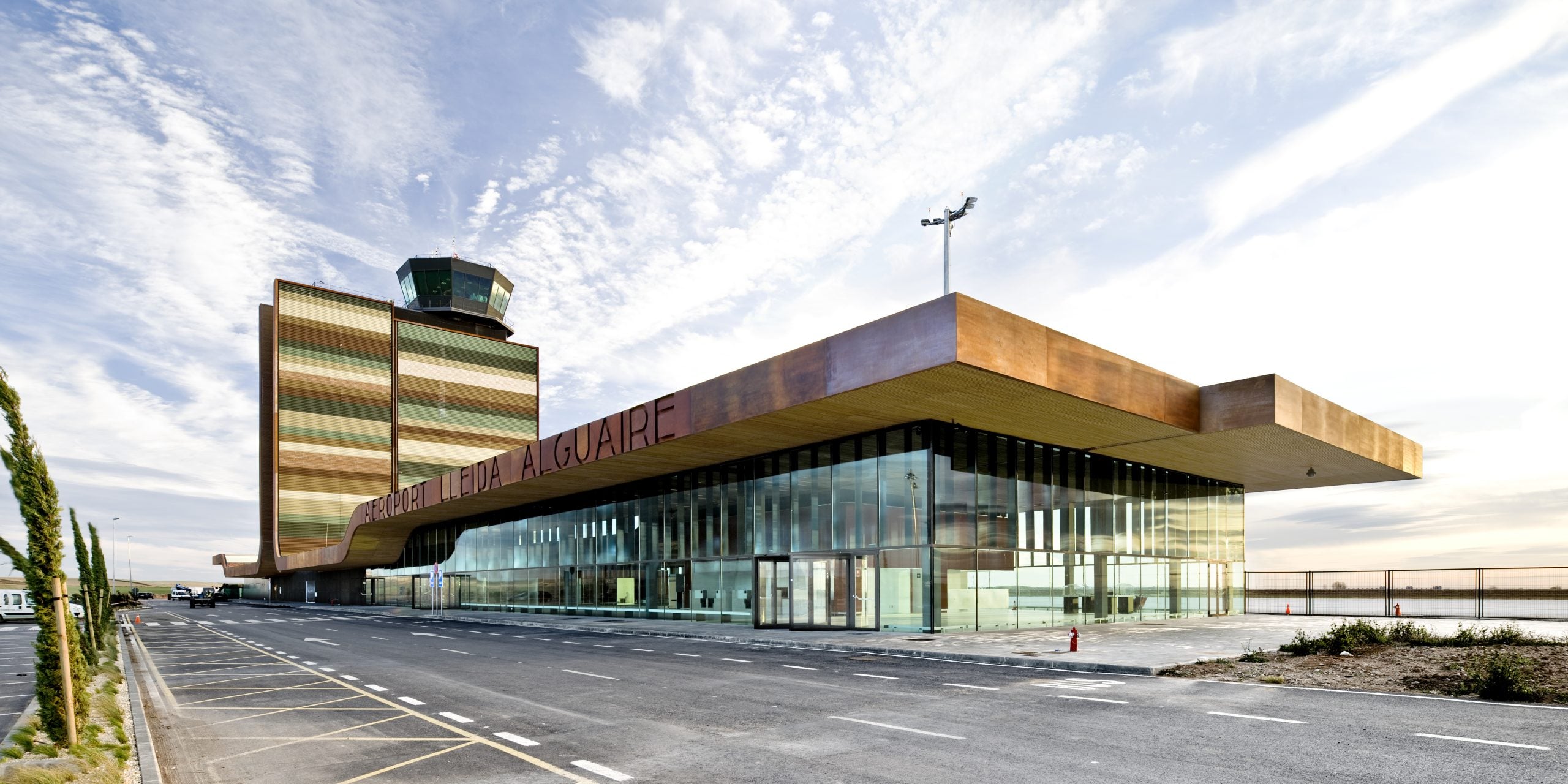
Lleida-Alguaire Airport is still an international and towered airport with complex airspace, various traffic patterns, and various aircraft types. This exposure helps students get used to navigating diverse environments, which prepares them for the realities and daily routines of commercial aviation they will enter after finishing the program.
2. A quieter atmosphere suitable for learning
Let’s admit that Lleida-Alguaire experiences lower air traffic than its larger counterparts. However, it’s never black and white – it shouldn’t necessarily be seen as a downside.
Think of it this way – heavy traffic undeniably extends waiting times for takeoffs and landings, and in the end, your ground time is longer if there is a lot of traffic ahead of you. In the case of practicing at Lleida-Alguaire, student pilots can make the most of their training hours.
3. Numerous airports in the vicinity
In addition, there are numerous airports in the vicinity for training flights (en-route training), including La Seu, Huesca, Zaragoza, Pamplona, San Sebastian, Sabadell, Reus, Girona, Castellon, Teruel, Benabarre, and more. Furthermore, the weather conditions are favorable.
Subscribe to BAA Training
4. Networking opportunities
While not a bustling hub for multiple airlines, its smaller scale fosters a close-knit aviation community. This intimacy often means more accessible networking with industry professionals, seasoned pilots, and aviation enthusiasts. It also translates into more personalized interactions with instructors and mentors, initiating deeper connections and the potential to open doors for future career prospects.
5. Scenic terrain
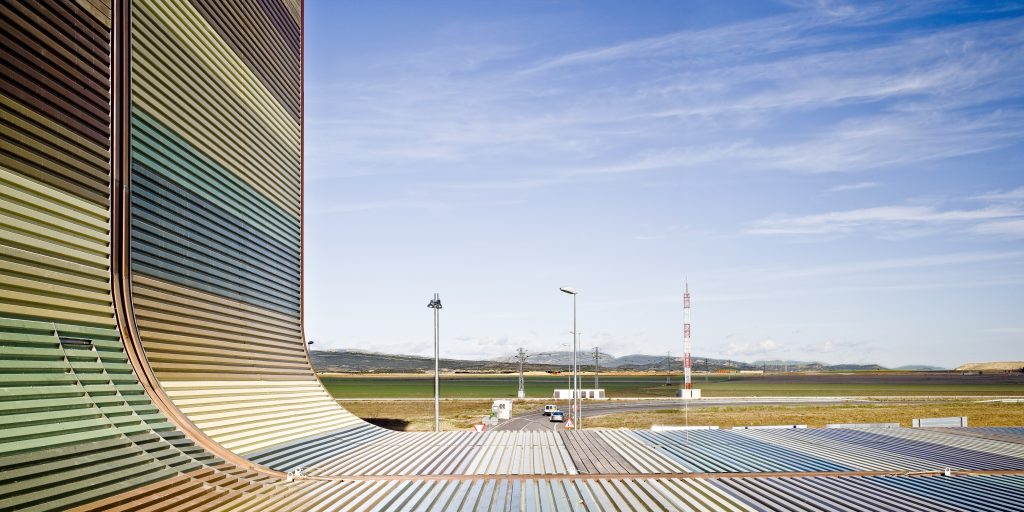
Another advantage of training in the picturesque Spanish countryside is that aspiring pilots train amidst diverse landscapes, such as flat fields and amazing mountain ranges. The varied terrain is ideal for honing navigation skills, allowing students to navigate through different topographies and weather conditions, mastering the peculiarities of flying, and getting a deeper understanding of spatial awareness and adaptability—an invaluable asset in a pilot’s skill set.
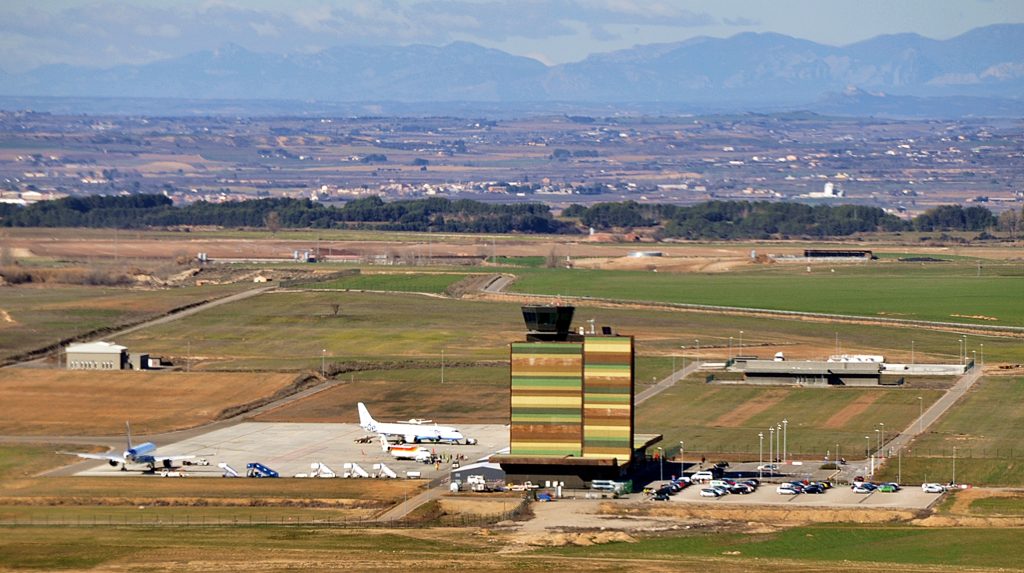
In flight training, smaller airports like Lleida-Alguaire shine. They offer affordability, focused learning in quieter settings, networking opportunities, and diverse landscapes for skill development. Overall, they provide a well-rounded experience for aspiring pilots.