Prefer to listen? Press play to hear this article.
Low-cost carriers, cargo operators, private aviation, ACMI providers… most aspiring pilots haven’t really thought of the distinctions, let alone what they mean for their career.
Of all these airline types, ACMI leasing (also known as wet-lease) is probably the most mysterious—and the most overlooked. While your peers are laser-focused on landing roles at major carriers, ACMI is quietly offering faster pathways to the left seat, diverse flying experiences, and global contracts. Let’s take a closer look at what the ACMI service providers bring to the table, career-wise.
What Does ACMI Operations Mean for Pilots
First things first, decoding the acronym—because unlike most of the other aviation acronyms, this one actually tells you the entire business model in four letters. ACMI stands for: aircraft, crew, maintenance, and insurance.
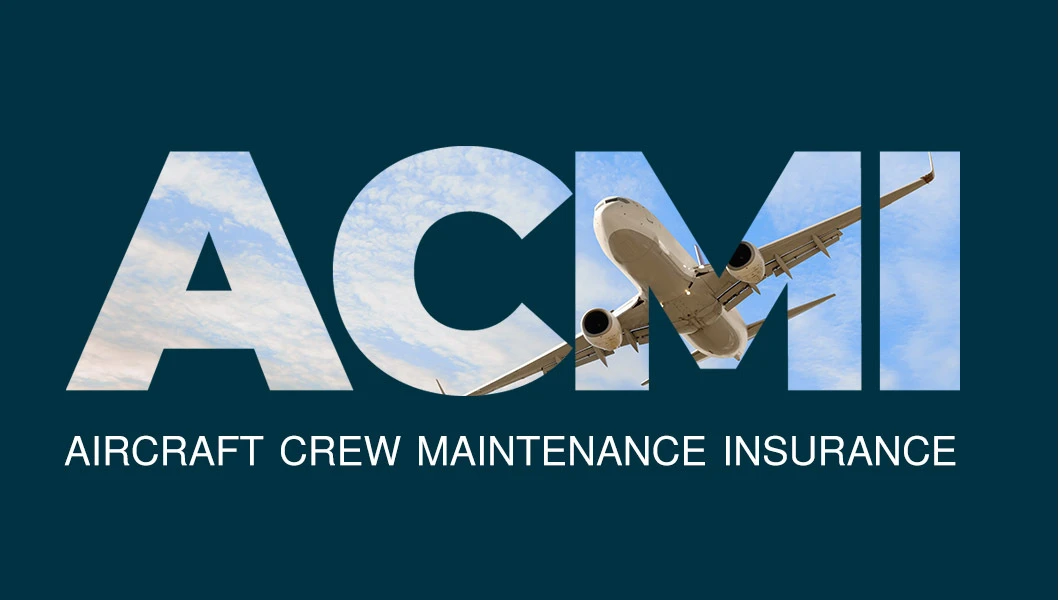
Here’s what the operator is actually providing. The aircraft itself—no surprise there. These are the operator’s planes, maintained to their standards and configured to their specs. The crew—that’s you, plus the cabin crew. The ACMI operator supplies everyone on board. The maintenance—all the heavy checks, line maintenance, and MEL calls fall on the operator, meaning their standards apply, not some third-party MRO you’ve never heard of. And the Insurance—hull and liability coverage. Sounds boring until you realize this means the ACMI carrier has real skin in the game, answering to underwriters and regulators, not just keeping a client happy. Put it all together, and you’ve got a complete flying operation ready to go.
What’s NOT in ACMI leasing? Fuel, airport fees, ground handling, catering, scheduling—basically anything that touches the ground. The client airline handles all of that.
Fleet Types & Popularity in ACMI
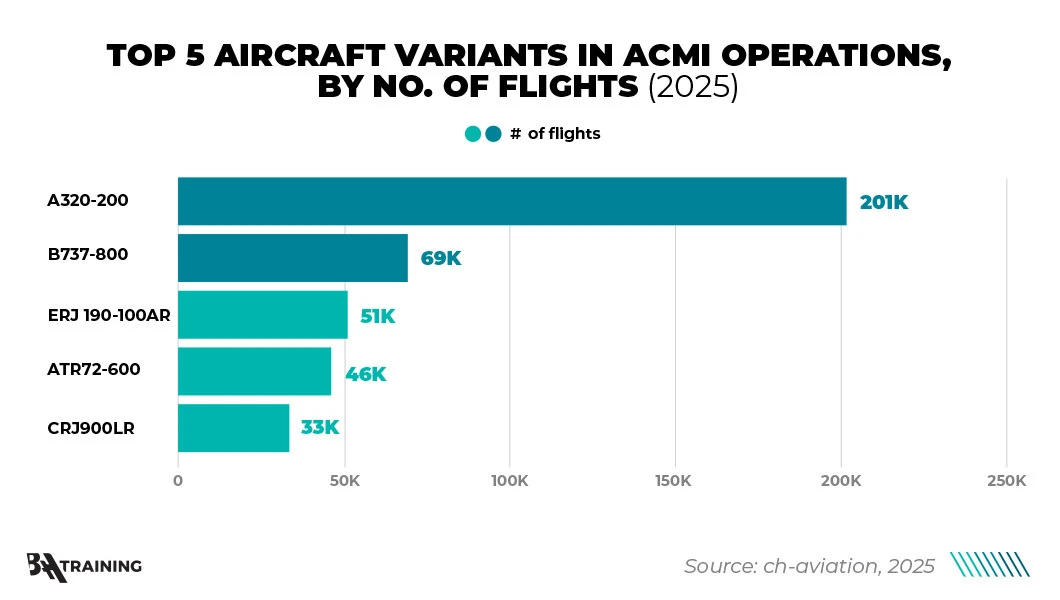
ACMI is overwhelmingly a narrow-body game. The Boeing 737 and Airbus A320 families dominate because they’re the Swiss Army knives of aviation—versatile enough to fly holiday charters to the Mediterranean one week and cover a seasonal flight spike the next. If you’re joining an ACMI operator, there’s a strong chance you’ll be flying where the wind (and roster) takes you.
Geographically, Europe is seen as the ACMI capital of the world. Carriers like Avion Express and dozens of others keep fleets busy with wet-leasing across the continent. The business thrives wherever airlines need flexibility without the commitment of owning metal.
For pilots, this means you’re likely flying proven, high-demand aircraft types—which keeps your CV relevant and your skills transferable if later in your career you decide to move to a traditional carrier.
Operations and Pilot Lifestyle
This is where ACMI gets interesting. You might take off from Brussels on Monday, flying for customer airline A, then spend Thursday through Sunday operating the same aircraft for customer airline B out of Palma. Different routes, different passengers—all on the same Type Rating.
The reality is, though, you’re adapting constantly. Client airlines have their own procedures, preferred airports, and operational quirks. You’ll get comfortable with ambiguity fast, and you’ll become a better stick-and-rudder pilot because you’re not flying the same three routes on autopilot for years.

When it comes to rotation patterns, they vary wildly depending on the contract. But during peak season, this usually means high-intensity blocks with multiple daily short-haul flights, often on a 20-day on/10-day off cycle. For pilots who value chunks of uninterrupted personal time over commuting to the same base five days a week, ACMI schedules can be a hidden gem.
The upside? You’re not stuck in the same operational circle. While your friends at traditional carriers are flying the same route to Frankfurt for the 47th time this year, you might be island-hopping in the Mediterranean. It keeps the job fresh. And you build a skillset that’s genuinely broad—different airports, different ATC environments, different weather challenges.
Similar ARTICLES
ACMI Operations vs Traditional Airlines
If you’re used to thinking about pilot careers through the lens of Lufthansa, Air France, or even ultra-low-cost carriers like Ryanair, ACMI operators are completely different. What then actually changes when you’re flying wet-lease contracts instead of a traditional airline model?
Route Stability: Predictable vs. Fluid
Legacy and LCC pilots know their network. Lufthansa’s Munich crew flies the Munich routes. Ryanair bases stay put. Your roster varies, but the operation doesn’t.
ACMI routes, on the other hand, follow the client contract. Spring might be Scandinavian holiday charters to Tunisia; summer could be covering a Vienna-based carrier’s seasonal demand schedule or crew shortage. New airports, new challenges, zero routine—some pilots absolutely live for it, others want to know they’re home every Tuesday.
Scheduling: Structured Bids vs. Contract-Driven Patterns
Traditional carriers use seniority bidding. You optimize your schedule monthly, trade trips, build something commutable if your number’s good enough.
ACMI scheduling is whatever the contract dictates—but one really good thing about this is the roster stability within each contract. Using the 20-on/10-off rotations that give you solid blocks of time off, reserve uncertainty. When you’re off, you’re truly off. One thing to note: when contracts shift, so does your schedule. Your base might be Budapest one quarter, Vilnius the next.
Your PILOT CAREER
starts with a first click
What It Means
Yes, traditional European airlines offer structure, predictability, and clear career ladders. But ACMI operations offer variety, potential for faster advancement, and lifestyle-friendly rotations that can beat reserve life at a legacy carrier. Neither path is objectively better—they’re built for different types of pilots.
Pilot Recruitment and Career Path
The wet-lease operators need pilots constantly, and many have cracked the code on getting low-hour pilots aircraft-ready fast. Enter the MPL (Multi-Crew Pilot License) programs—structured pathways that take you from flight school straight into a First Officer’s position with minimal hour-building.
Unlike traditional airlines that demand 1,500+ hours, ACMI carriers can be entered via MPL programs, which train you directly into multi-crew operations. You’re spending much more time in the full flight simulator and going straight to flying passengers on B737 or A320.
Finding These Opportunities: Pilot Runway
Finding a pilot training program that covers not only initial pilot training, but also multi-crew cooperation (MCC) fundamentals, Type Rating, Base and Line trainings, and offers financing solutions, and a guaranteed job at an airline—sounds like a tough gig. But it doesn’t need to be that challenging if you know where to look.
That’s where an MPL pilot training program, Pilot Runway, comes in. It’s one of the most direct pathways into European ACMI operations and the aviation industry.
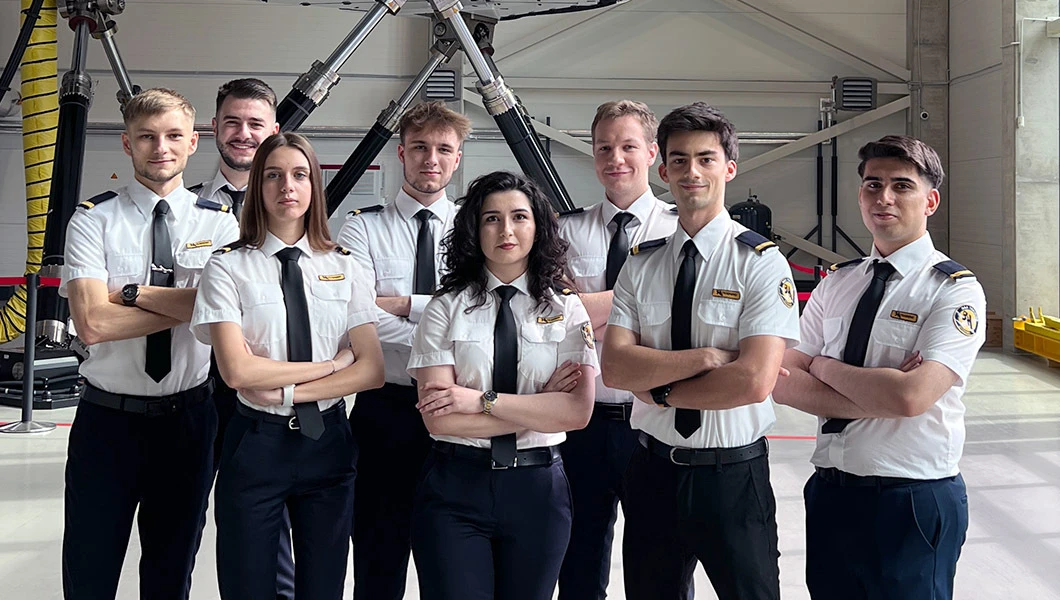
And it combines all of the aforementioned pilot training (with much more training hours dedicated on a simulator), including the guaranteed job at a European airline—all with an airline-backed loan. You train at our facilities in Lithuania and Spain, earn your EASA MPL license, and go straight into a First Officer position flying B737s or A320s on ACMI contracts across Europe.
It’s designed specifically to feed this pipeline—fast-tracking you from zero experience to a commercial cockpit without the traditional hour-building grind. If this caught your eye, learn more about what exactly the Pilot Runway MPL Cadet program entails and how you can start here: Pilot Runway MPL Cadet Program.
Bottom Line
ACMI isn’t for everyone. If you need absolute schedule predictability or can’t handle your base shifting with contract changes, traditional carriers will suit you better. But ACMI offers operational flexibility that creates some of the best opportunities for new pilots to get skin in the game. You’re building hours fast, flying diverse routes, adapting to different operations, and keeping your skills genuinely sharp—not grinding the same three turns for years on autopilot. For pilots early in their career who want to earn their stripes in real-world commercial operations without waiting a decade for the left seat, ACMI might be exactly the path you’re looking for.