The next steps in your pilot career journey as a CPL holder, and in the aviation industry, are crucial, so the decisions you make have to be well-informed.
Prefer to listen? Press play to hear this article.
We’ve compiled a comprehensive article about all things CPL holders should know – from understanding what a Type Rating is to tips and tricks on how to stay healthy as a pilot. We’re constantly updating the information, so keep coming back to this article to find the latest CPL holder-focused articles from us.
Let’s get started!
Path After Commercial Pilot Licence
While the Commercial Pilot Licence (or “frozen” ATPL – Airline Transport Pilot License) suggests that you can do commercial flights, it’s true to a certain extent. For most, becoming a commercialairline pilot is the end goal – we’re talking sitting at the controls of Airbus A320s and Boeing 737s.
If that’s something you plan to do then do check out our interview with a First Officer and his day in a life of an airline pilot. Apart from the day-to-day responsibilities and schedule there are two more factors to consider: hours commercial pilots fly (things like rest periods, flight time, roster patterns, and more), and the salary they earn. All of this will give you a pretty good picture of what your future career can look like.
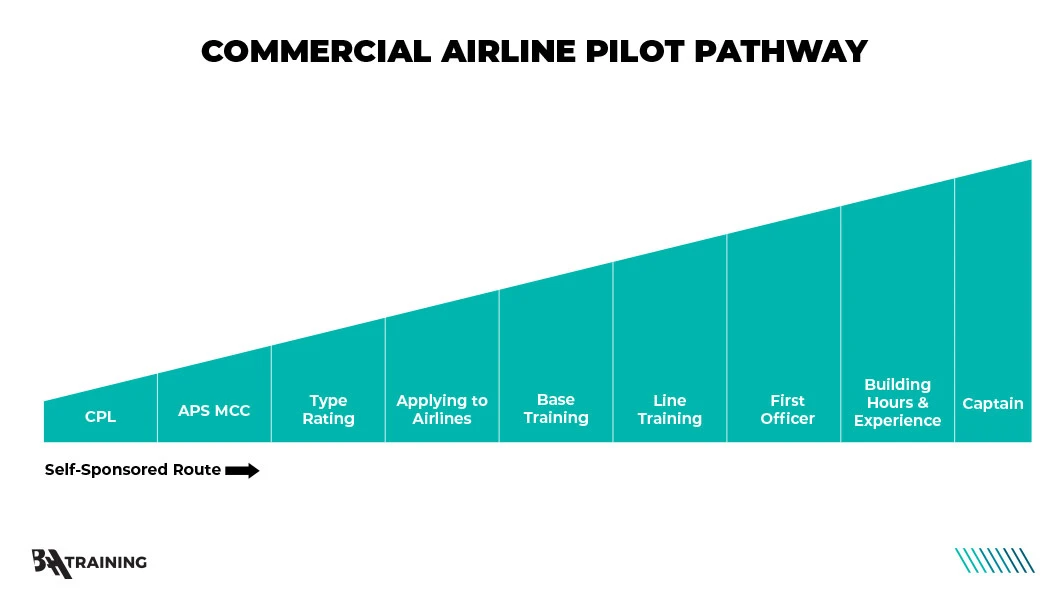
Naturally, you start off as a First Officer, working your way up to captaincy; these are the main pilot ranks to know if you’re joining an airline. And in order to achieve this, the next logical step is to get type-rated. But what does it mean exactly, and is there anything else that a future commercial pilot might need?
Let’s start at the beginning.
Type Rating for Work at Airlines
Type Rating is a non-negotiable when it comes to continuing the path of a commercial pilot. Up to this point, you’ve done your initial pilot training, and you’re able to fly aircraft that are considered general aviation (GA) or light aircraft, like a Cessna 172S or Tecnam P2006T. You’re a CPL holder. This means that you would be able to fly your friends to Annecy, France, for a ski trip, or offer sightseeing flights – if your skills, experience, and confidence allow that – and charge for it.
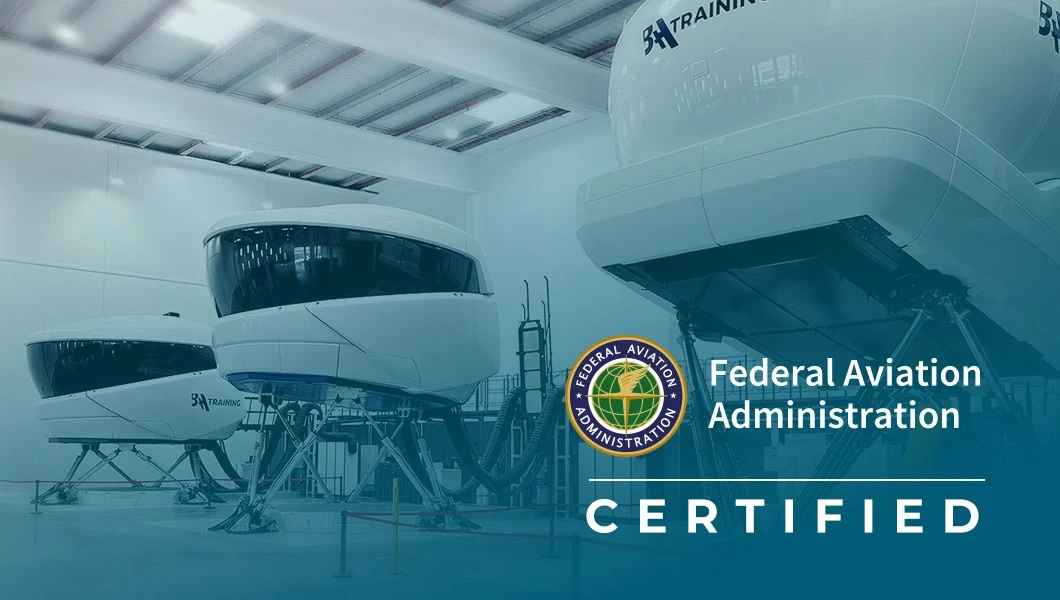
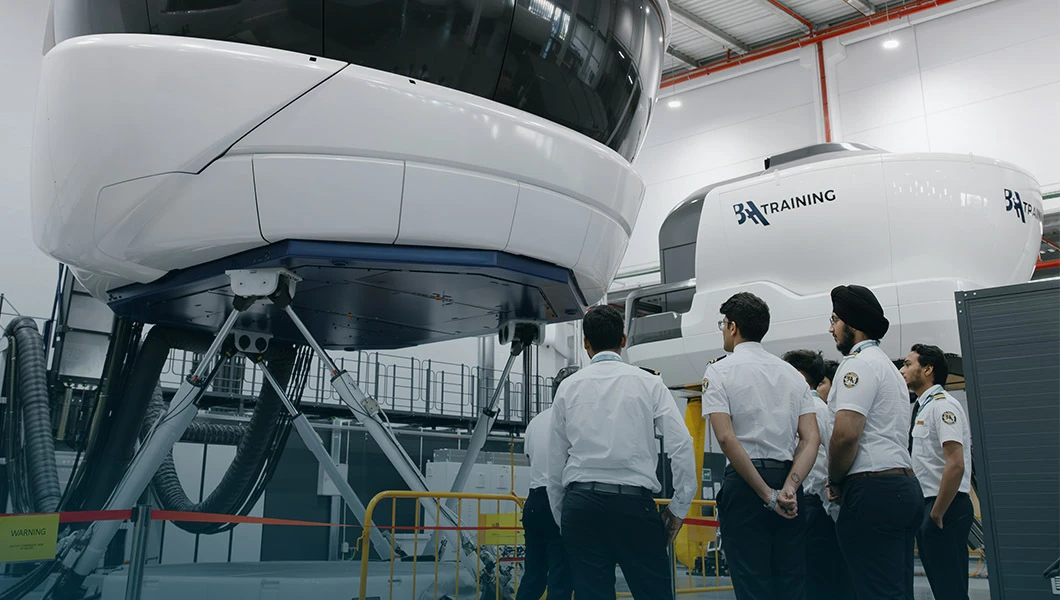
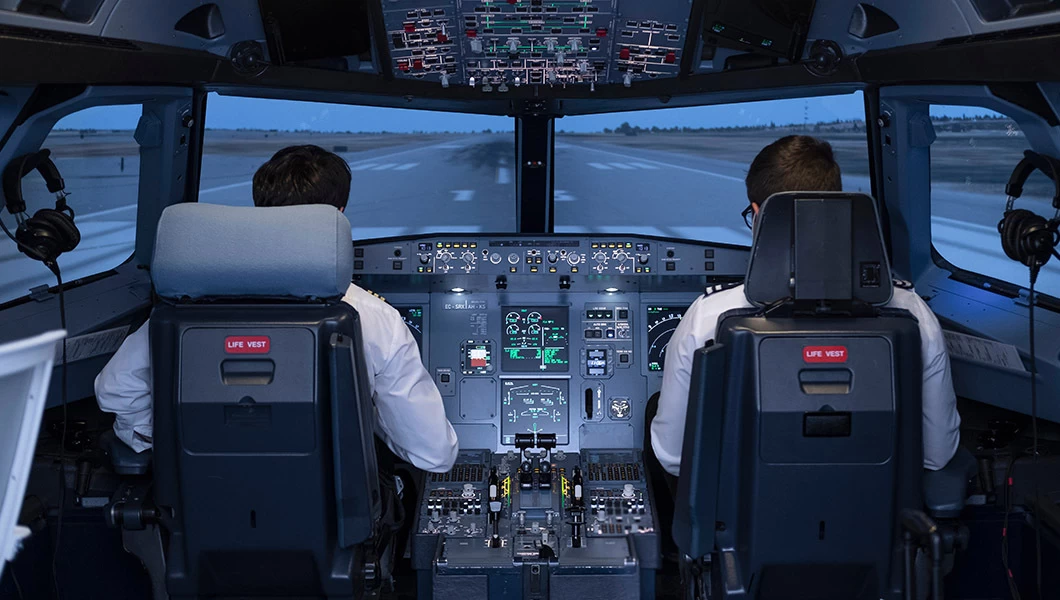
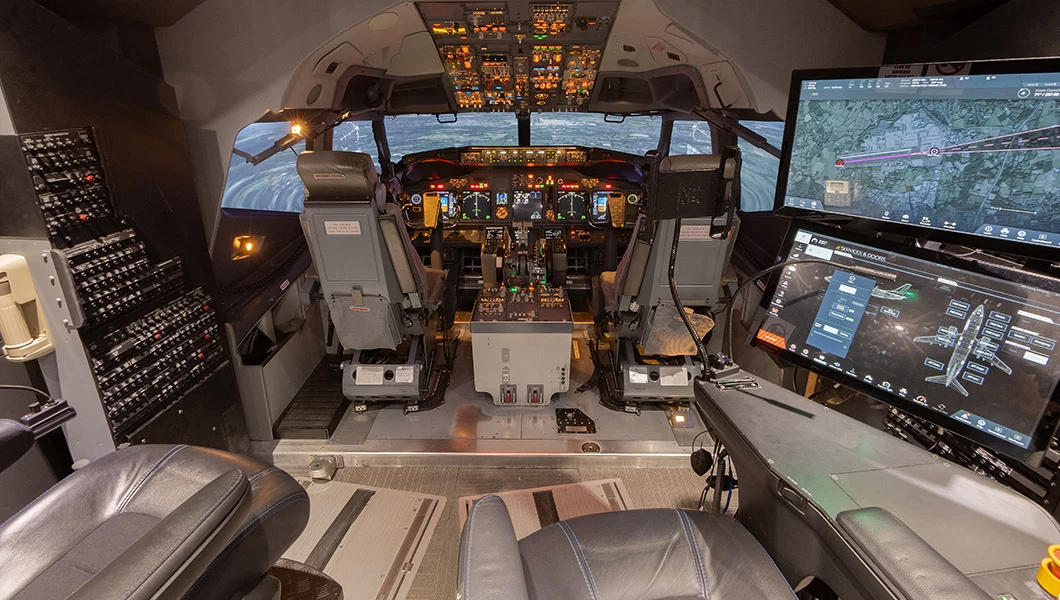
But, if you want to sit at the controls of the commercial aviation staples like Airbuses and Boeings, then it’s not nearly enough. It’s simply not possible to become a First Officer at an airline without a Type Rating. You need to master Standard Operating Procedures (SOPs) – including emergency procedures – and other airline aviation-focused trainings in full flight simulator sessions. You can read more about what a Type Rating is – head on to our dedicated blog post here.
Once you understand what Type Rating training brings to the table for your pilot career opportunities, the next thing is to figure out which aircraft type you want to master. The classic decision is between the A320 and the B737 if you’re not considering flying private aircraft. You can read more about choosing the Type Rating program here, and look through the most frequently asked questions about Type Rating here as well.
APS MCC Bridging CPL and Type Rating
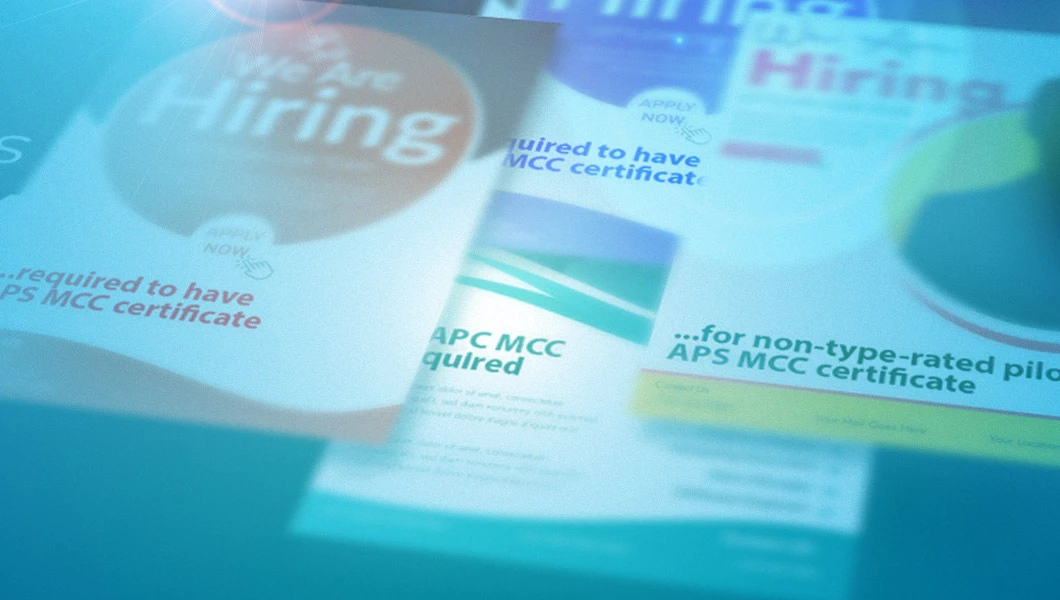
Something worth considering when getting on the Type Rating journey is knowing what can get you employed at an airline faster or more easily. One is the APS MCC course. While not (yet) a mandatory requirement, some of Europe’s biggest low-cost carriers (LCCs) like Wizz Air and Ryanair, and major airlines like Air France, for example, express the preference for the candidate to have APS MCC and Type Rating completed.
Essentially, APS MCC enhances your pilot competencies and knowledge of airline pilot standards, which prepares you much better not only for the Type Rating training program, but also for real-life airline operations. We talk more about this in our blog post how APS MCC is becoming a new standard.
Type Rating Experience
With some of the basics covered, naturally, you start digging a bit deeper into the ins and outs of the actual training program itself.
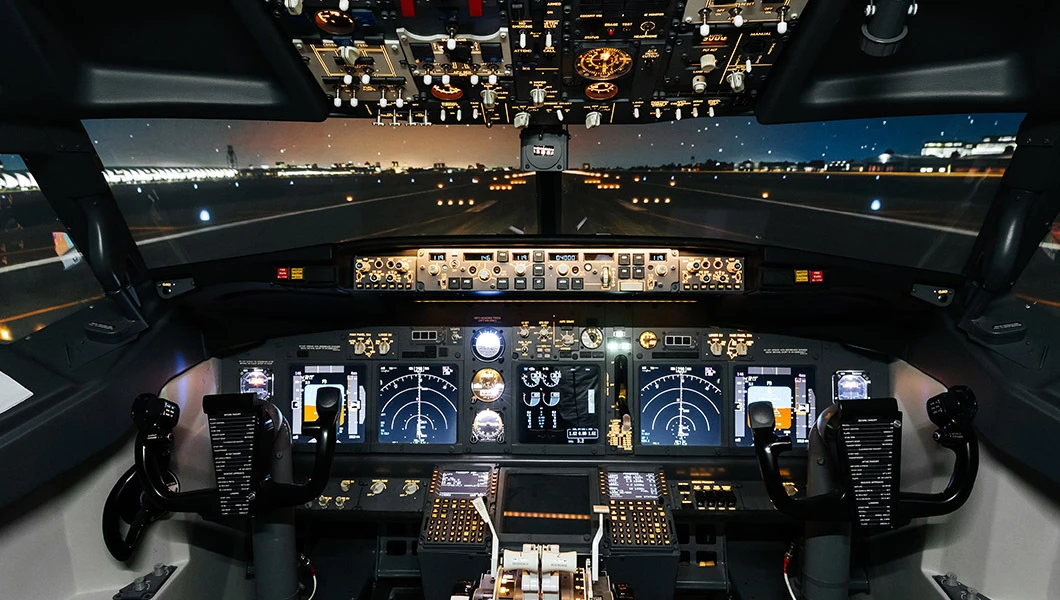
The Type Rating training usually doesn’t differ too much – the aviation industry is a tightly-regulated one, so no matter which Type Rating you choose and where, the overall course will be more or less the same. What does matter is the center’s training quality, owned devices, locations, and instructor experience – the training facilities where you’ll be getting your training.
We have a comprehensive training breakdown for each of our Type Rating programs, which you can take a look at here. It will give you a good understanding of what to expect in terms of the curriculum and timeline.
Your PILOT CAREER
starts with a first click
Want to dive a bit deeper into Type Rating topics? Here’s what we’ve covered so far:
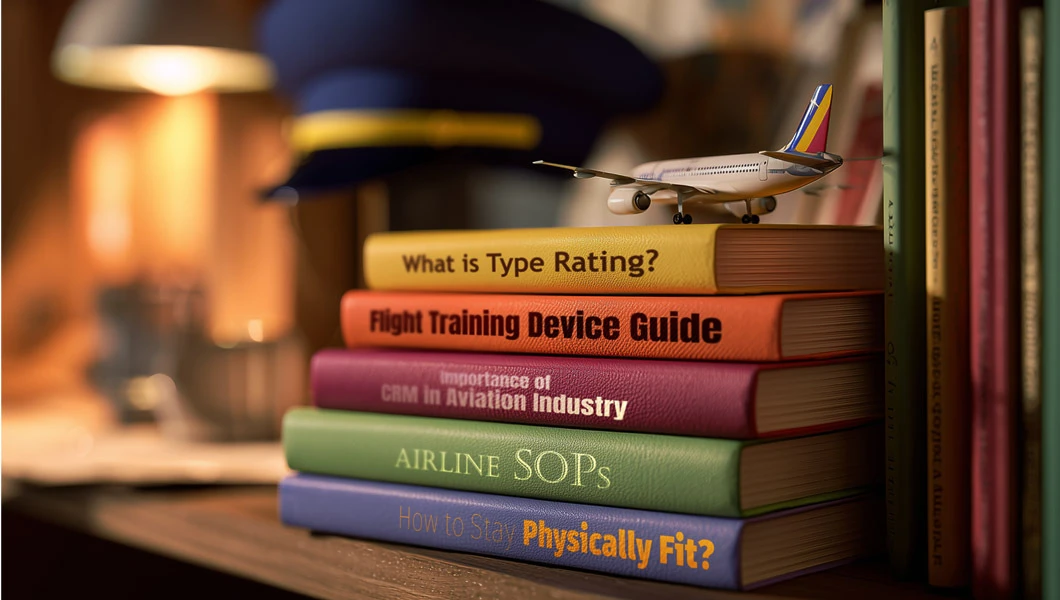
- Type Rating, Base Training, Line Training: Explained – we cover the main differences between the three types of advanced training.
- Flight Training Device Guide – What to Expect During Pilot Training – we go through the types of flight training devices (FTDs) used in pilot training.
- Differences Between A320ceo and A320neo In a Nutshell – we compare the two A320 family aircraft types.
- Standard Operating Procedures (SOPs) Are the Real Type Rating Test – our expert explains the importance of really nailing down the SOPs during Type Rating training.
- Importance of CRM in Aviation Industry – we explain why the communication skill (one of the core pilot competencies) is one of the most important ones to master.
There are a few other things to keep in mind, as some of these questions come knocking once you start your advanced training. The first one touches on time logging – what qualifies as flight hours and what doesn’t. The other one is proficiency checks. While they don’t come into play a bit later in your career as an airline pilot, it’s still good to know and understand what’s ahead.
Physical Fitness and Mental Health
Once they start flying commercially, a professional pilot needs to take care of his physical and mental wellness. It’s a rewarding career, but a challenging one as well, so keeping yourself fit on both fronts is really important.
Irregular schedules, long duty days, time zone changes, and the responsibility that comes with the job can all take a toll if you’re not proactive about it. The good news is that with the right habits and awareness, both are very manageable.
On the physical side, maintaining your medical fitness throughout your career is essential – and it goes beyond just passing the routine medical checks. We cover the key habits and routines to help you stay on top of it in our dedicated guide on how to stay physically fit as a pilot. And when it comes to mental health, the psychological demands of the profession are just as real. From managing fatigue and stress to building long-term resilience, we break it all down in our guide on how to stay mentally fit as a pilot.
Bottom Line
A Commercial Pilot Licence is a major milestone, but it’s really just the starting point of your commercial aviation career. From choosing and completing a Type Rating to understanding airline operations, building flight hours, and looking after your health – there’s a lot to navigate. The decisions you make early on can shape the trajectory of your career significantly, so it pays to be well-informed at every step.
We’ll keep adding to this article as we publish new content, so bookmark it and check back regularly!